Isopropyl Alcohol vs Alcohol Free Hand Sanitizer: The Facts
Key Highlights
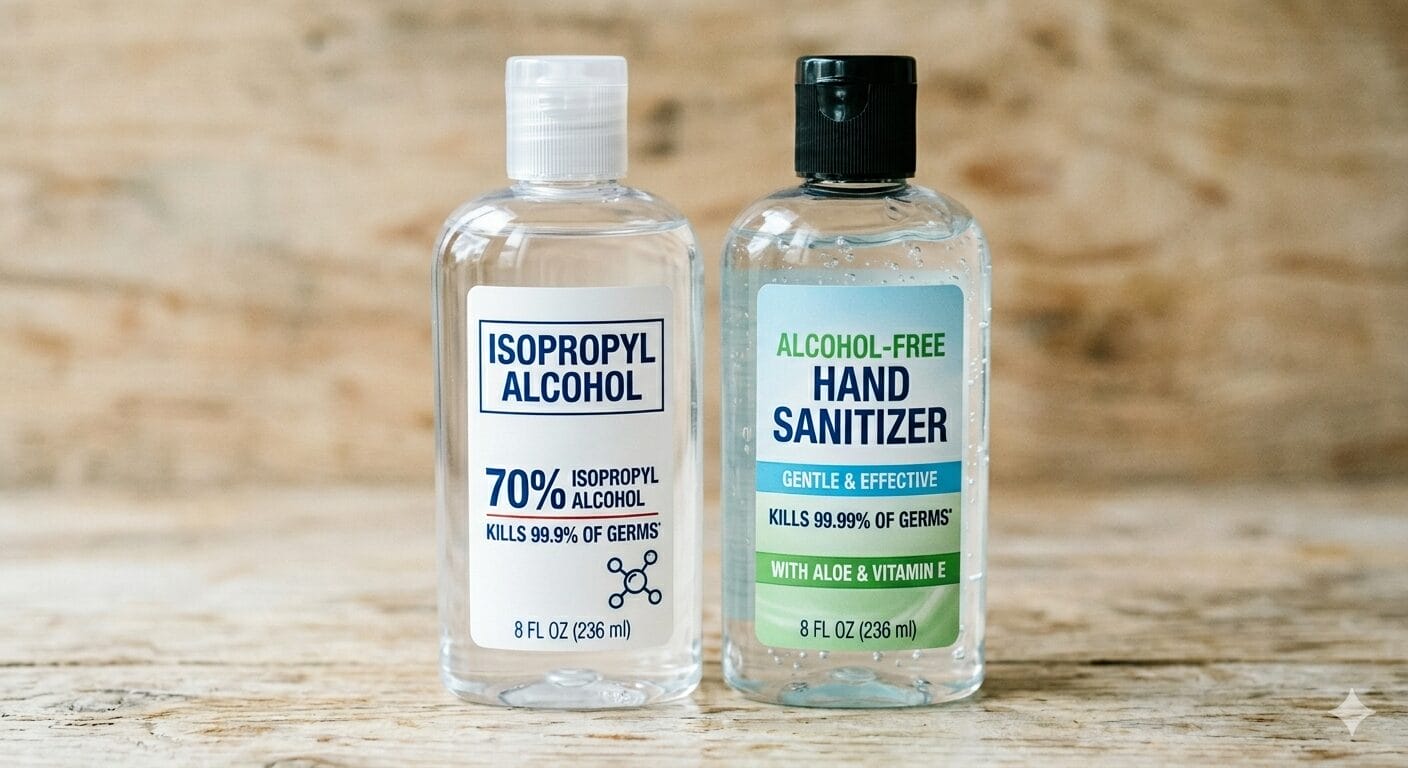
- The main difference between hand sanitizers is the active ingredient: isopropyl alcohol or an alcohol-free alternative like benzalkonium chloride.
- Isopropyl alcohol hand sanitizer is effective for hand hygiene but can cause dryness and is not ideal for sensitive skin.
- Alcohol-free options are gentler on the skin and offer extended protection, making them a good choice for frequent use.
- The effectiveness of a hand sanitizer depends on its alcohol content and active ingredients, which kill germs differently.
- Safety is a key factor, especially concerning children, as alcohol-based sanitizers pose a risk of alcohol poisoning if ingested.
Introduction
Keeping your hands clean is a top priority for staying healthy. Hand sanitizer has become a daily essential for many of us, but have you ever stopped to think about what’s inside that bottle? The two main types are those with isopropyl alcohol and alcohol-free versions. Choosing the right one can be confusing. This guide will break down the facts about each type, helping you make the best choice for your hand hygiene needs and keep you and your family protected.
Understanding Hand Sanitizers: Isopropyl Alcohol and Alcohol-Free Options
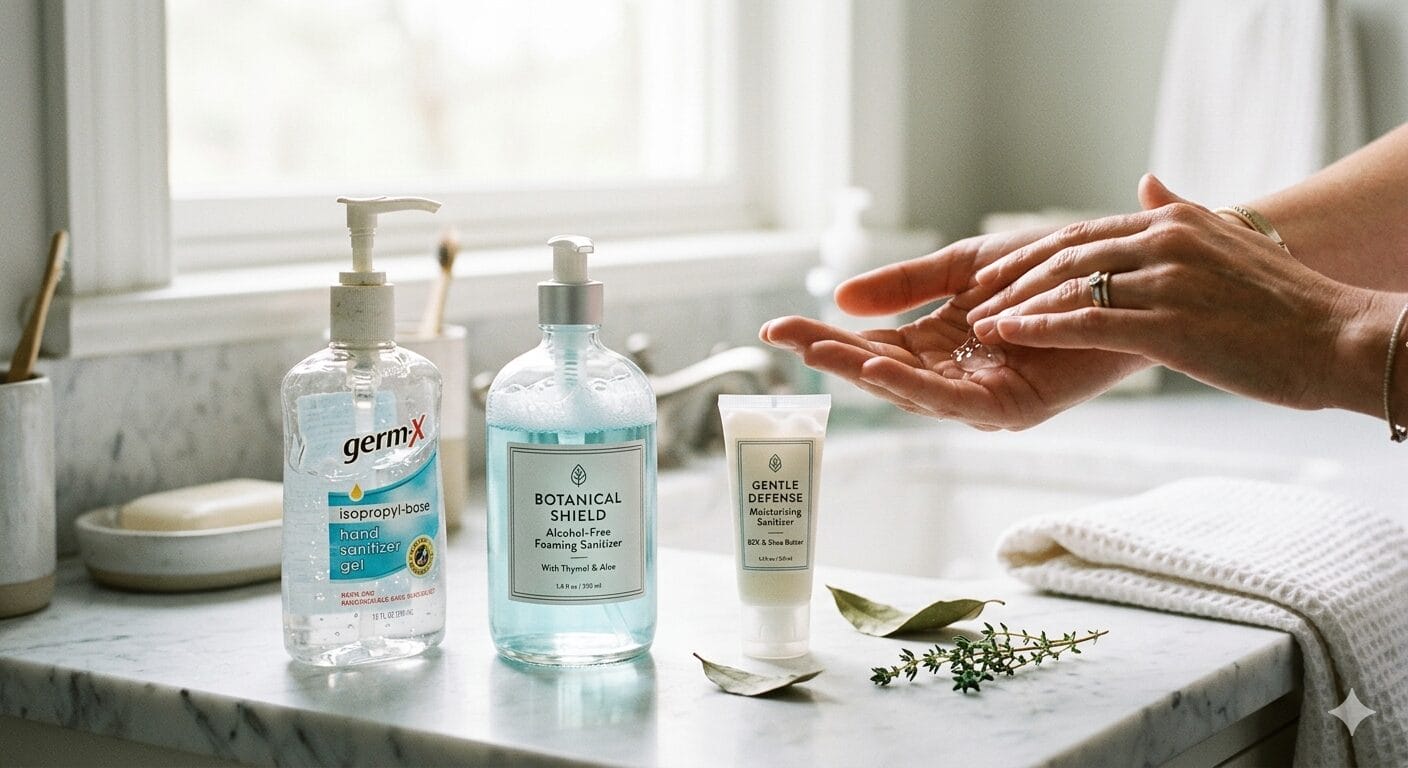
Hand sanitizers are a staple in our daily lives, found everywhere from our bags to store entrances. The main difference between the options available today lies in their active ingredient. You’ll primarily find isopropyl alcohol-based sanitizers and alcohol-free hand sanitizer alternatives.
Each type has its own set of benefits and considerations. Understanding how they work, what they contain, and their effects on your skin will help you decide which one fits your lifestyle best. Let’s look closer at what defines each of these popular hand hygiene products.
What is Isopropyl Alcohol-Based Hand Sanitizer?
An isopropyl alcohol-based hand sanitizer uses a specific type of alcohol as its primary germ-killing agent. This is the same active ingredient found in what many people know as rubbing alcohol. This alcohol hand sanitizer works by quickly destroying a wide range of germs on contact.
For these sanitizers to be effective, health organizations like the CDC recommend a specific alcohol content. The concentration of isopropyl alcohol is crucial; it should typically be between 60% and 95% to effectively reduce the number of microbes on your hands.
While powerful, this type of alcohol is not intended for human consumption and is different from the ethyl alcohol found in alcoholic beverages. Its sole purpose in hand sanitizers is to provide antiseptic properties for clean hands when soap and water are not available.
What Defines Alcohol-Free Hand Sanitizer?
An alcohol-free hand sanitizer is defined by its use of alternative active ingredients to kill germs. Instead of alcohol, these products rely on compounds like benzalkonium chloride to do the job. This is the main difference that sets them apart from their alcohol-based counterparts.
You’ll often find these sanitizers in the form of foaming hand sanitizers. The formula is water-based and contains a very low concentration of the active ingredient, typically around 0.1%. This makes them non-flammable and generally gentler on the skin.
A key benefit of these sanitizers is their ability to provide a lasting protective barrier. Unlike alcohol, which stops working once it evaporates, ingredients like benzalkonium chloride can continue to inhibit germ growth on your skin well after the solution has dried.
Key Ingredients: Comparing Active Components
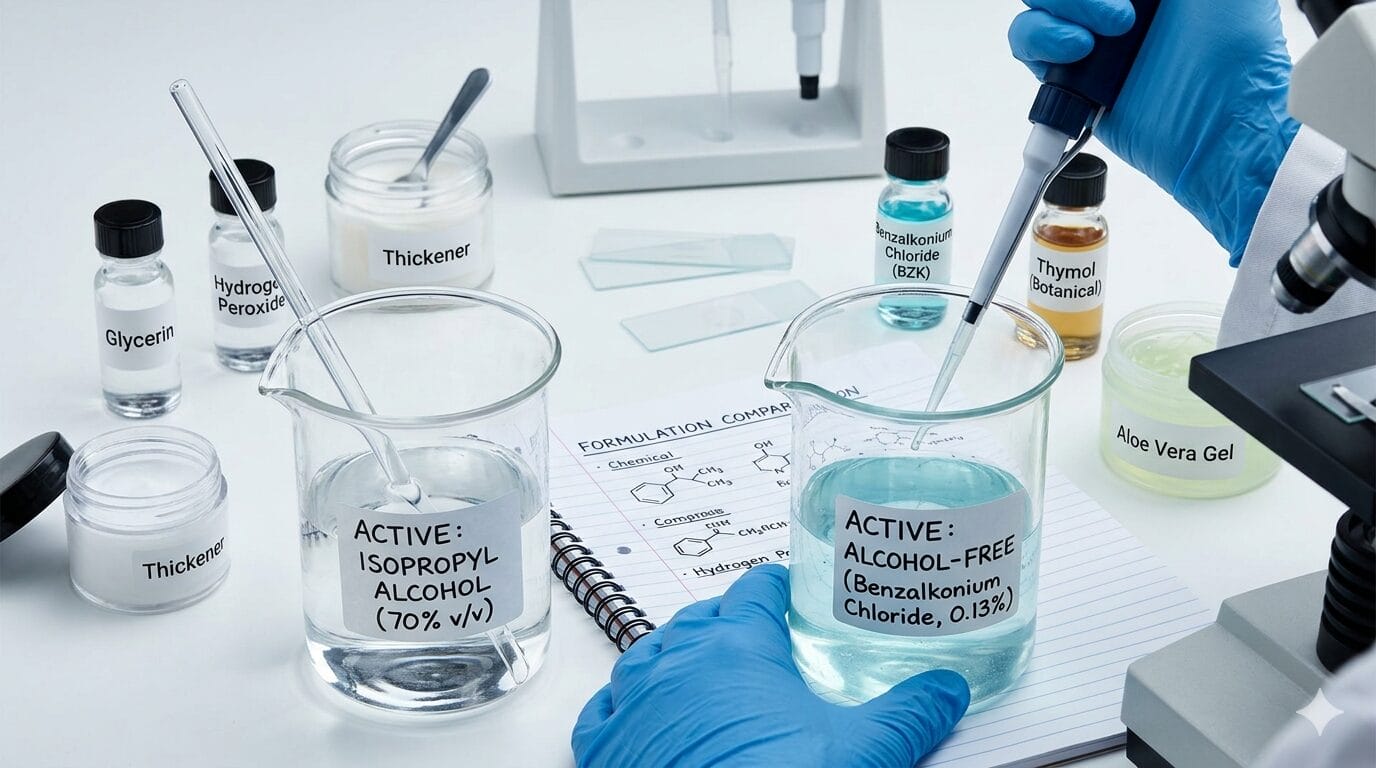
The effectiveness of any hand sanitizer comes down to its main ingredients. In the battle of isopropyl alcohol versus alcohol-free, the active components are what truly set them apart. One relies on the power of alcohol, while the other uses different compounds to achieve a similar result.
We will examine the primary substances in each type. For alcohol-based sanitizers, we’ll look at the specific alcohols used, and for alcohol-free versions, we will explore the popular alternative active ingredients like benzalkonium chloride.
Main Ingredients in Isopropyl Alcohol Hand Sanitizers
The primary active ingredient in alcohol-based hand sanitizers is, as the name suggests, alcohol. The alcohol content is crucial for killing various types of germs. The two most common types of alcohol used are:
- Isopropyl alcohol: Widely used and effective against many pathogens.
- Ethyl alcohol: Another effective option that is often better tolerated by the skin.
To be effective, these sanitizers must contain at least 60% alcohol. This concentration is necessary to break down the outer layers of germs and destroy them.
However, a high alcohol content can be drying to the skin. To counteract this, many formulas also include moisturizing ingredients like aloe or vitamin E. These additives help soothe the skin and prevent the dryness and irritation that can come with frequent use.
Common Substitutes Used in Alcohol-Free Sanitizers
When you choose an alcohol-free hand sanitizer, you are opting for a product with different germ-fighting agents. The most common of these alternative active ingredients is benzalkonium chloride, a quaternary ammonium compound.
This ingredient is a good alternative because it effectively disrupts the cell membranes of bacteria without the harshness of alcohol. Beyond the main active ingredient, these sanitizers often include other beneficial components. Some common additions are:
- Skin conditioners: Ingredients like vitamin E and green tea extract are added to nourish the skin.
- Essential oils: Sometimes used for fragrance and their natural antimicrobial properties.
These formulas are designed to be gentle while still providing protection. The combination of a non-alcohol active ingredient with skin-soothing additives makes them an attractive option for those who need to sanitize their hands frequently.
Effectiveness in Killing Germs and Viruses
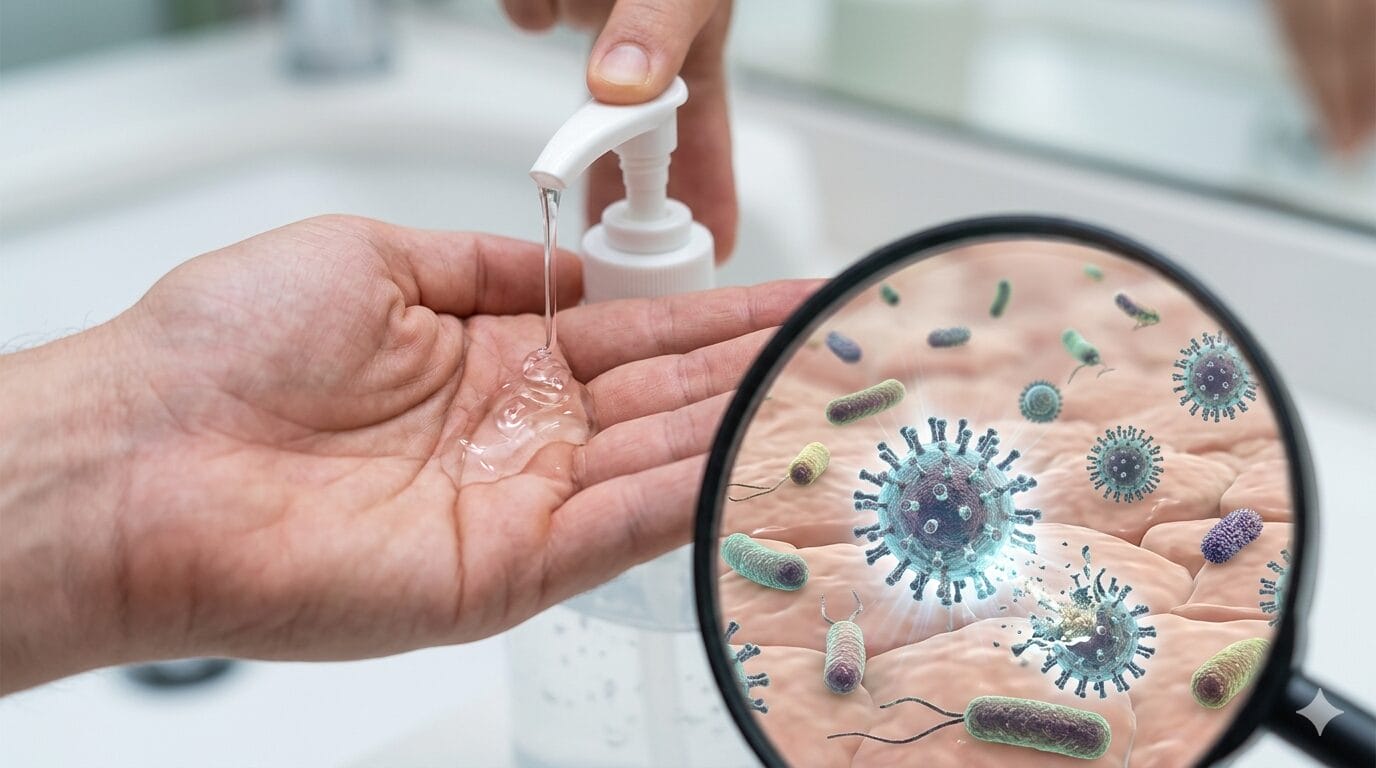
When it comes to hand hygiene, the ultimate goal is killing germs. So, how do these two types of hand sanitizers stack up against each other? An effective hand sanitizer must be able to eliminate the different kinds of germs you encounter daily.
Both alcohol-based and alcohol-free options are designed to reduce microbes, but they work in different ways and may have varying levels of success against certain pathogens. This is particularly important in clinical settings where effective disinfection is critical. Let’s compare their germ-killing powers.
How Well Does Isopropyl Alcohol Kill Bacteria and Viruses?
Isopropyl alcohol is a powerful tool for hand hygiene and disease prevention. It is known for its ability to kill a wide range of pathogens very quickly, often within seconds of application. This rapid action provides a high level of protection against many common germs.
The key to its effectiveness lies in the alcohol concentrations. To be effective, the solution needs to contain at least 60% alcohol. This concentration is strong enough to destroy the outer protein layer of many bacteria and viruses, rendering them harmless.
However, its effectiveness can vary based on the specific germ and the alcohol concentration. Here’s a general look at its performance:
| Pathogen Type | Effectiveness of Isopropyl Alcohol (60-95%) |
|---|---|
| Bacteria | Highly effective against most bacteria. |
| Viruses | Effective against many, including flu and coronaviruses. Less effective against some non-enveloped viruses like norovirus. |
| Fungi | Generally effective. |
How Do Alcohol-Free Hand Sanitizers Work?
Alcohol-free hand sanitizer works differently than its alcohol-based counterpart. Instead of using alcohol, it relies on alternative active ingredients, most commonly benzalkonium chloride, to eliminate germs. This compound attacks types of microbes by disrupting their cell membranes, which stops their growth and kills them.
One of the significant advantages is its persistent effect. While alcohol stops working once it dries, benzalkonium chloride continues to provide a protective layer on the skin, offering longer-lasting defense against germs. This can be particularly beneficial during flu season when you are exposed to more pathogens.
These sanitizers are also formulated to be gentler, often containing moisturizers that support skin health. While they are effective against many bacteria, their performance against certain viruses, like norovirus, can be less robust compared to alcohol-based products.
Safety Considerations for Adults and Children

Safety is a top priority when choosing a product for your family. Both types of hand sanitizers come with their own safety profiles. Frequent use can lead to skin irritation, and there are more serious concerns like alcohol poisoning, especially with young children.
It’s important to weigh the risks. Alcohol-based products are highly flammable, while alcohol-free versions are not. We will explore the potential skin reactions of alcohol-based sanitizers and discuss why the alcohol-free type might be a safer option for certain users.
Skin Reactions and Sensitivities with Isopropyl Alcohol
One of the most common complaints about isopropyl alcohol-based hand sanitizers is skin irritation. The high alcohol content, while great for killing germs, can be harsh on your skin. This is especially true for people with sensitive skin.
The drying effects of alcohol are well-known. It strips away the natural oils from your skin, which can lead to dryness, cracking, and even symptoms of dermatitis with repeated use. This can compromise your skin’s natural barrier and overall skin health.
If you find that your hands feel dry, itchy, or chapped after using hand sanitizer, the isopropyl alcohol might be the culprit. For those with pre-existing skin conditions or sensitivities, these reactions can be even more pronounced, making daily use uncomfortable.
Safety Profile of Alcohol-Free Sanitizers for Different Users
Alcohol-free hand sanitizer is often considered a safer option, particularly for people with sensitive skin. Since these products do not contain harsh alcohol, they are much less likely to cause dryness and irritation, making them ideal for frequent application throughout the day.
For families, these sanitizers present a lower risk. They are non-flammable and, because the active ingredient is in such low concentrations, they are relatively non-toxic if accidentally ingested by older children. This makes them a more worry-free choice for use in schools and homes.
Ultimately, personal preferences play a large role. If you or your family members have sensitive skin or you are concerned about the potential hazards of alcohol, an alcohol-free sanitizer provides an effective and gentle alternative that aligns with safety and comfort.
Conclusion
In summary, understanding the differences between isopropyl alcohol and alcohol-free hand sanitizers is crucial for making informed choices about your hand hygiene. Both options have their benefits and potential drawbacks, particularly in terms of effectiveness and safety for different users. Whether you opt for an isopropyl alcohol-based sanitizer or an alcohol-free alternative, being aware of the key ingredients and their functions can help ensure that you keep germs at bay while taking care of your skin. If you’re still uncertain about which option is best for you, consider scheduling a consultation to explore your hand hygiene needs in more detail.
Frequently Asked Questions
When should I choose alcohol-free hand sanitizer over isopropyl alcohol-based hand sanitizer?
You should choose an alcohol-free hand sanitizer if you have sensitive skin, are concerned about the drying effects of alcohol, or for use with children. Your personal preferences for a gentler, non-flammable option are also a great reason to pick it for your daily hand hygiene routine, especially when the alcohol content of other sanitizers is a concern.
Are there any guidelines for using isopropyl alcohol or alcohol-free hand sanitizers in schools or public places?
Yes, guidelines often exist for disease control in public places. While healthcare settings frequently prefer alcohol-based sanitizers, many schools and other facilities opt for alcohol-free hand sanitizer. This is due to safety concerns about flammability and accidental ingestion, making the non-alcohol version a more suitable choice for these environments.
Can isopropyl alcohol be safely used as a substitute for regular hand sanitizer?
Using pure isopropyl alcohol or rubbing alcohol directly on the skin is not recommended. These alcohol products are much harsher than formulated hand sanitizers and can cause significant skin irritation. They are not intended for human consumption or regular skin contact. Hand washing with soap and water is always the best substitute.