The Benefits of Adult Velcro Finger Control Mitten Gloves
Key Highlights
Here are the key takeaways about adult Velcro finger control mitten gloves:
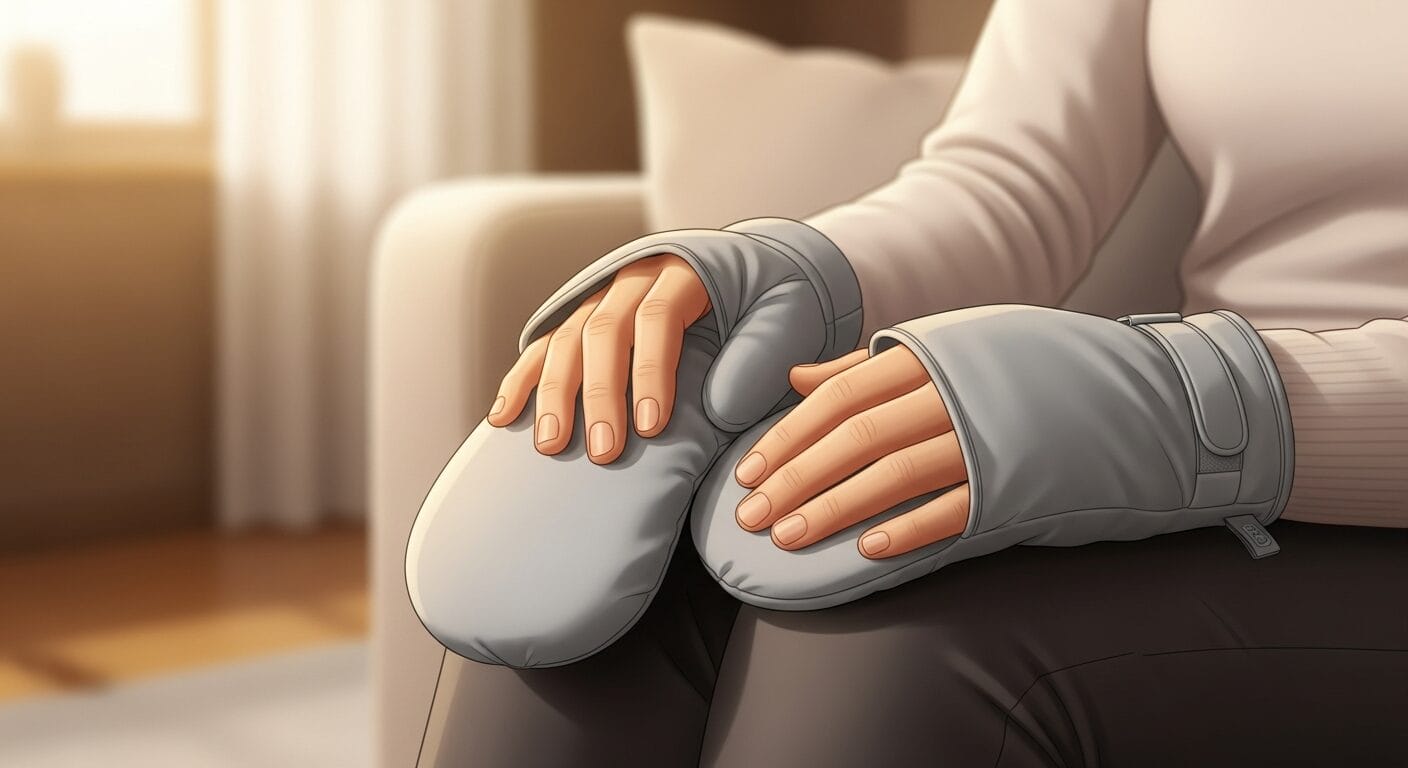
- These adult mitts offer a safe way to prevent patients from disrupting medical treatments or causing self-harm.
- The Velcro closure ensures the mitts are easy to put on and take off, providing a secure yet comfortable fit on the patient’s hand.
- Designed with breathable materials, these safety breathable mitt gloves are comfortable for long-term wear.
- Their primary function is finger control, gently stopping patients from bending their fingers to pick or pull.
- The mittens are washable, making them a hygienic option for continuous use in various care settings.
Introduction
Caring for adult patients who are prone to self-injury or disrupting their medical treatment can be challenging. Conditions like dementia can sometimes lead to behaviors like skin-picking or pulling at IV lines. A gentle and effective solution is the use of an adult mitt with finger control. These specialized gloves are designed to protect individuals by limiting harmful hand movements without causing discomfort. They provide peace of mind for caregivers and ensure that essential medical care can proceed without interruption.
Understanding Adult Velcro Finger Control Mitten Gloves
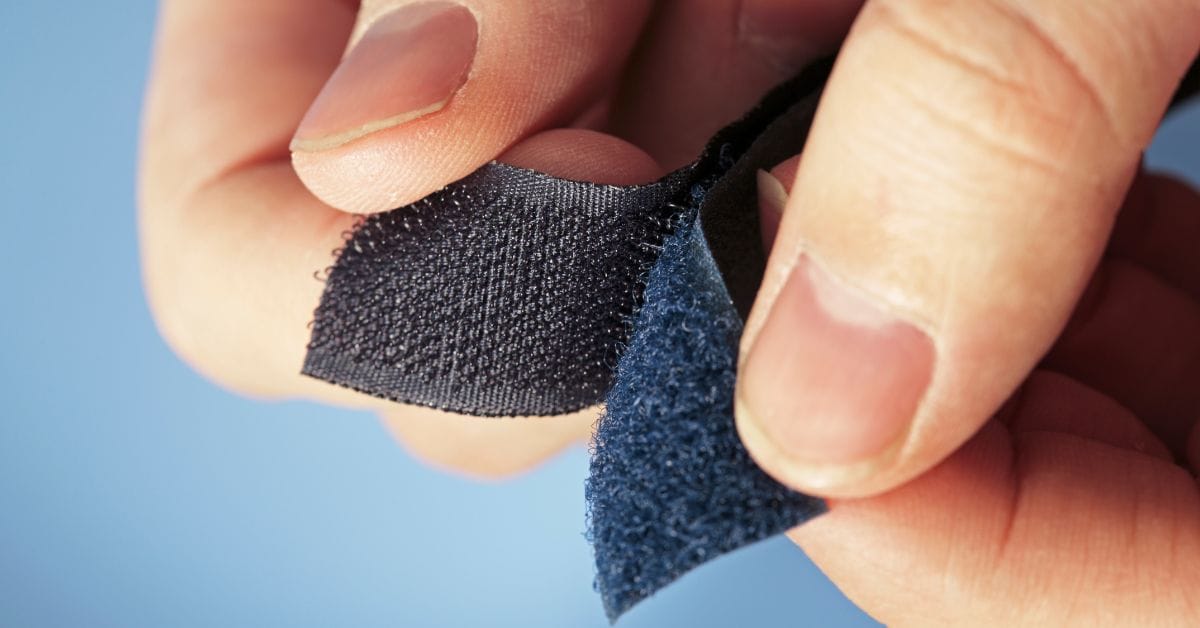
Adult Velcro finger control mitten gloves are a type of soft, protective hand covering designed for patient safety. These adult mitts use a simple Velcro closure system, making them easy to secure around the wrist. Unlike more restrictive methods, they act as a gentle barrier.
Their main purpose is to prevent individuals from using their fingers to cause harm. Some designs include finger separators, while others feature a flat piece to stop finger bending. This makes them a less intrusive option compared to other restraints. Now, let’s look at who can benefit from them and how they promote safety.
Common Uses and Who Can Benefit from Mitten Gloves
Mitten gloves are incredibly useful in various care scenarios, especially for patients who may not be fully aware of their actions. They are often used to prevent the disruption of essential medical treatment. People with certain conditions, like dementia, may unconsciously engage in harmful behaviors.
These gloves, sometimes known as posey mitts, are beneficial for individuals who are prone to:
- Tube pulling, which includes removing an IV line or catheter.
- Self-injury, such as skin-picking, scratching, or biting.
- Interfering with wound dressings or medical devices.
Ultimately, anyone who is at risk of harming themselves or interrupting their care can benefit. This includes patients in recovery, those with cognitive impairments, or individuals experiencing agitation. These mittens help gently retrain their hands and calm their urges, providing a safe and compassionate solution for caregivers.
How Mitt Gloves Support Safety and Prevent Skin Damage
One of the primary functions of mitt gloves is to prevent skin damage. For individuals who compulsively scratch or engage in skin picking, these mittens act as a soft barrier. The padding inside the glove covers the fingernails, making it impossible to cause abrasions or cuts.
The design of these gloves, sometimes called boo mitts, ensures the patient’s hand is protected. By preventing the fingers from gripping or scratching, the mitts reduce the risk of infection and injury that can arise from open wounds. This is especially important for patients with delicate skin or existing skin conditions.
This simple yet effective tool helps manage behaviors that arise from frustration or confusion. Instead of allowing pent-up energy to result in self-harm, the mitts offer a way to keep the patient safe and their skin intact, promoting healing and overall well-being.
Essential Features of Safety Breathable Mitt Gloves
When choosing safety breathable mitt gloves, it’s important to look for specific features that enhance both safety and comfort. High-quality mitts, like those from brands such as Posey, are designed with the user’s well-being in mind. They often incorporate a range of features to meet different needs.
Key characteristics include breathable materials, like mesh, to allow for air circulation, and secure yet adjustable closures. You’ll also want to consider the type of internal padding and whether the design allows for any finger movement. Let’s explore some of these essential features in more detail.
Breathability, Comfort, and Long-Term Wear
Comfort is crucial, especially when a patient needs to wear mittens for an extended period. The breathability of the fabric is a key factor in ensuring comfort. Materials that allow air to circulate help prevent the hands from becoming sweaty and uncomfortable, reducing the risk of skin irritation.
For long-term wear, the design must be lightweight and soft. The padding should be cushy but not bulky, providing protection without feeling restrictive. Some mitts are made from materials similar to those used in yoga or fitness accessories, which are known for being both durable and gentle on the skin.
This focus on comfort and breathability makes the mittens suitable for continuous use, even overnight. A comfortable patient is often a calmer patient, which contributes to a more positive care environment for everyone involved.
Adjustable Fit and Secure Velcro Closures
Ensuring a proper fit is vital for both the effectiveness and comfort of a finger control mitten. An adjustable strap with a Velcro closure is a common and highly effective feature. This allows caregivers to customize the fit for each individual, making it snug enough to stay on without being too tight.
The hook and loop fastener system is easy to use, allowing for quick application and removal. To properly fit the mitten:
- Slide the patient’s hand into the mitt, ensuring it is comfortable.
- Wrap the strap around the wrist and secure it with the Velcro.
- Check that the fit is secure but does not constrict blood flow. You should be able to fit a finger between the strap and the patient’s wrist.
A secure fit prevents the mitten from falling off, especially during the night or periods of restlessness. The adjustable nature of the Velcro strap ensures that you can achieve the right balance between security and comfort.
Practical Applications in Elderly and Dementia Care

In elderly and dementia care, maintaining patient safety while preserving dignity is a top priority. Finger control mittens offer a practical solution for professional caregivers. For elderly individuals, especially those with dementia, confusion can lead to behaviors like pulling at tubes or scratching. These mittens serve as a gentle reminder and a physical barrier.
Compared to more restrictive methods, these gloves are a compassionate choice. They allow for freedom of arm movement while preventing specific harmful hand actions. Let’s examine how they are used in different settings and how they ease the caregiving process.
Use in Hospitals, Care Homes, and Home Settings
Finger control mitt gloves are versatile and can be used across various care environments. Their application is crucial in settings where patients require constant monitoring to prevent them from interfering with medical devices.
In a hospital, for instance, these mittens are essential for patients who might pull at their IV line or catheter. In a care home, they help manage behaviors associated with cognitive decline. Even in a home care setting, they provide family members with a tool to keep their loved ones safe. Common applications include:
- Protecting patients in a hospital post-surgery or during intensive care.
- Assisting residents in a care home who are prone to self-injury.
- Supporting individuals at home during their recovery or long-term illness.
Similar to other care products from brands like Tidi Products, these mittens are designed for practicality and effectiveness in professional and personal care settings alike.
Enhancing Patient Comfort and Caregiver Ease
A key benefit of these mittens is the enhancement of patient comfort. When a patient is calm and comfortable, the care process becomes smoother for everyone. The soft materials and padded design feel gentle on the patient’s hand, avoiding the discomfort associated with harder restraints.
For professional caregivers, these mittens simplify a challenging aspect of their job. They are a less restrictive device, making them an easier choice from an ethical and practical standpoint. The ease of application and removal also saves valuable time. They are easy to put on and take off for checks or to provide care like a hand massage.
By preventing the need for constant verbal reminders or more severe physical restraints, the mittens create a more peaceful and dignified environment. This fosters a better relationship between the patient and caregiver, built on trust and compassionate support.
Cleaning and Maintaining Velcro Finger Control Mittens

Proper cleaning and maintenance are essential for ensuring the hygiene and longevity of Velcro finger control mittens. Since they are in direct contact with the skin, keeping them clean is crucial to prevent irritation and infection. Regular washing helps maintain a sanitary care environment.
Fortunately, most of these mittens are designed for easy care. The materials are typically durable and washable. Following a few simple steps for cleaning and storage can keep the mittens in excellent condition for repeated use. Here’s how you can properly care for them.
Step-by-Step Guide to Cleaning
Cleaning your finger control mitt is a straightforward process. Most are machine washable, but it’s always best to check the manufacturer’s instructions first. To start the cleaning process, you will need a mild detergent and water.
Here is a simple guide to follow:
- Secure all Velcro straps before washing. This prevents them from sticking to other items or getting damaged.
- Wash the mitt on a gentle cycle with cold water and a mild detergent. You can place them in a laundry bag for extra protection.
- Air dry the mittens completely before use. Avoid using high heat, as it can damage the mesh fabric and internal padding.
Following these steps will ensure the mittens are thoroughly cleaned without compromising their structure or softness. Proper washing is key to maintaining hygiene and ensuring the mitt is ready for its next use.
Tips for Longevity and Hygiene
To maximize the longevity of your finger control mittens and ensure optimal hygiene, a few additional tips can be helpful. Regular inspection is important. Before each use, check the mittens for any signs of wear and tear, such as frayed seams or a weakened Velcro closure.
Always have a spare pair on hand. This allows you to rotate between pairs, ensuring one is always clean and ready while the other is being washed. This practice is fundamental for good hygiene. Store the clean, dry mittens in a cool, dry place away from direct sunlight to preserve the fabric.
Some mittens may come with an inspection flap or other accessories; make sure to clean these parts as well. By incorporating these simple habits into your routine, you can extend the life of the mittens and maintain a safe, clean environment for the patient.
Comparing Adjustable Hand Mittens vs. Standard Mitt Gloves

When selecting a protective mitt, you might encounter both adjustable hand mittens and standard mitt gloves. While they serve a similar purpose, there are key differences in their design and functionality. An adjustable mitt offers a more customized and secure fit, which is a significant advantage.
In contrast, a standard glove might have a more basic, one-size-fits-all design. This comparison will help you understand the nuances between the two types, enabling you to make a more informed decision based on the specific needs of the user.
Key Differences in Design and Functionality
The primary differences between adjustable and standard mitts lie in their design and functionality. Adjustable mittens feature straps, often with Velcro, that allow for a customized fit around the wrist. This ensures the mitt stays securely in place. Standard mitts may have a simple elastic wristband, which might not offer the same level of security.
The range of features also tends to vary. Adjustable models often come with more options, such as different types of padding fill or advanced materials. The type of mitt material can also differ, with some offering more breathability or durability than others. Let’s break down the main points of comparison.
| Feature | Adjustable Hand Mitten | Standard Mitt Glove |
|---|---|---|
| Closure | Typically uses a Velcro strap for a secure, custom fit. | Often has a simple elastic wrist or basic tie. |
| Security | High; less likely to be removed by the patient. | Moderate; may slip off more easily. |
| Fit | Customizable to various wrist sizes for optimal comfort. | Generally a one-size-fits-most approach. |
| Range of Features | Often includes options like finger separators or extra padding. | Usually has a more basic design and functionality. |
These differences in design directly impact how the mittens function in a real-world care setting.
How to Choose the Right Type for Your Needs
Making the right selection depends on the patient’s specific situation and needs. When choosing a mitt, consider the level of security required. If the patient is agitated or actively tries to remove restraints, an adjustable mitt with a strong Velcro closure is the better choice.
Think about comfort and long-term use. For patients who will wear the mitt for extended periods, breathability and soft padding are top priorities. Look at different brands, such as Posey or Boo, to compare their features and accessories. To make the best choice:
- Assess the patient’s behavior and physical strength.
- Determine the length of time the mitt will be worn daily.
- Consider any specific needs, such as the need for finger separators or extra padding.
By evaluating these factors, you can select a finger control mitt that provides the right balance of safety, comfort, and functionality. This ensures you are providing the best possible care for your loved one or patient.
Conclusion
In summary, adult Velcro finger control mitten gloves serve as an essential tool for enhancing safety and comfort, especially in sensitive care scenarios. Their unique design promotes breathability while ensuring a secure fit, making them suitable for various applications—from hospitals to home settings. By integrating these mittens into care routines, both patients and caregivers can experience improved peace of mind. Maintaining these gloves is straightforward, ensuring they remain hygienic and effective over time. Whether you’re looking to support someone with dementia or simply need a reliable solution for safety, these mitts can make a significant difference. If you’re interested in exploring this further, don’t hesitate to reach out for guidance on selecting the right gloves for your needs!
Frequently Asked Questions
Are these mittens comfortable for extended use?
Yes, they are designed for comfort and long-term wear. The use of breathable materials prevents sweating and skin irritation. Soft padding and an adjustable Velcro closure ensure a secure but gentle fit, making them suitable for wearing over extended periods, including overnight, without causing discomfort.
What safety tips should be followed when using restraint mittens?
Always ensure the restraint fit is secure but not too tight; you should be able to fit a finger under the strap. Regularly check the patient’s hand for any signs of irritation or poor circulation, using an inspection flap if available. Make sure the loop fastener is clean and functions properly.
Where can I purchase safety breathable mitt gloves in Singapore?
If you’re looking for safety breathable mitt gloves, you can find them exclusively at SeniorCare. Just visit the link, browse the available options, and choose the one that suits your needs. From there, you can easily add it to your cart and select your preferred delivery option for a smooth and convenient checkout.
Shop here: https://seniorcare.com.sg/?s=gloves&post_type=product