
Discover the Magic of Herbal Bath for Stress Relief
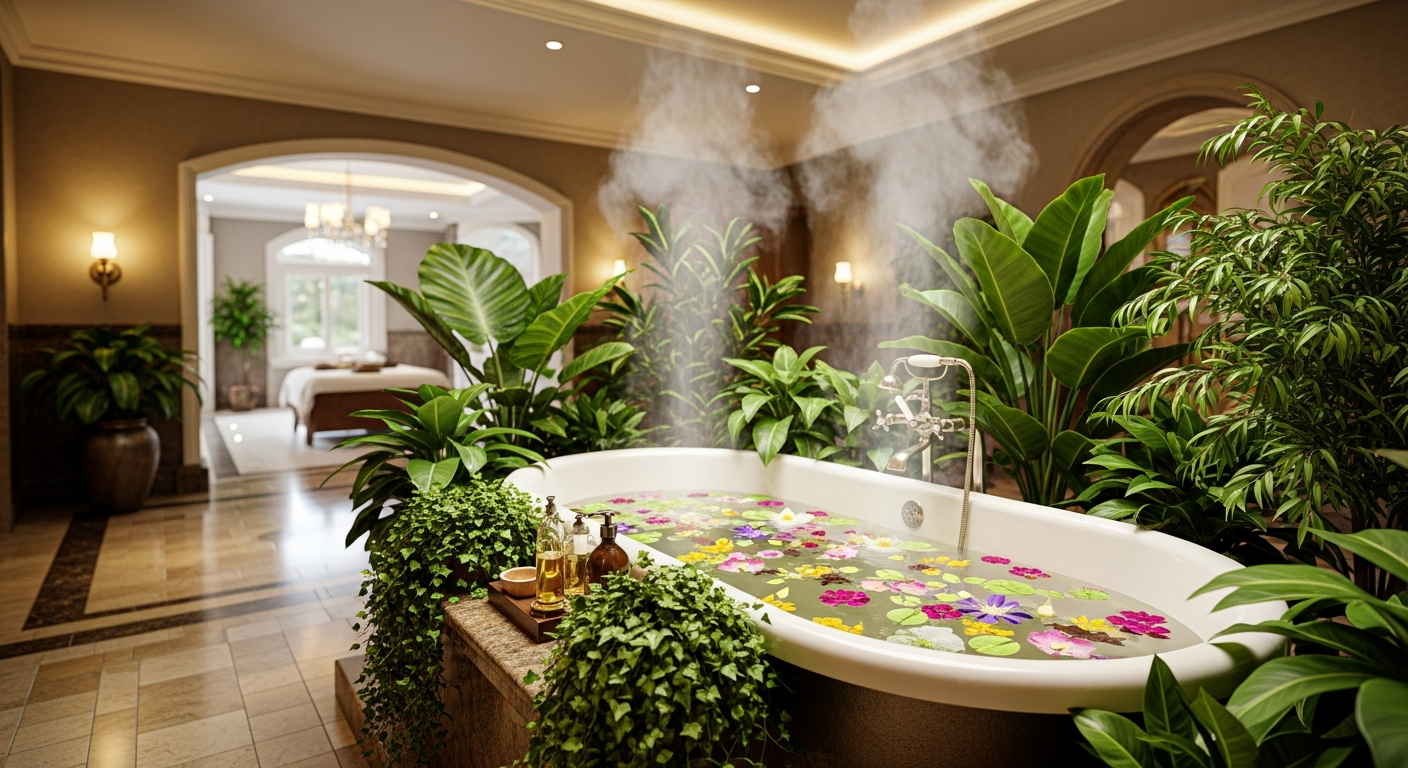
Key Highlights
- Herbal baths are a traditional remedy for stress relief, combining medicinal herbs with the soothing effects of warm water.
- This practice, rooted in Traditional Chinese Medicine (TCM), is popular in Singapore for its cultural importance and health benefits.
- Key herbs like Mugwort, Ginger, and Dang Gui are used for their calming and circulation-boosting properties.
- Herbal baths are particularly beneficial for postpartum recovery, helping new mothers restore vitality and well-being.
- Preparing a therapeutic soak at home is simple with ready-made herbal bath packs, offering a natural way to improve relaxation and overall health.
Introduction
Have you ever wondered how ancient traditions can help with modern-day stress? The practice of herbal bathing, deeply rooted in Traditional Chinese Medicine (TCM), offers a powerful solution. This time-honored ritual combines the soothing power of warm water with the healing properties of medicinal herbs to create an experience that nurtures both body and mind. It’s a wonderful way to achieve deep relaxation and stress relief, connecting you to centuries of wisdom focused on holistic well-being.
The Tradition of Herbal Baths in Singapore
In Singapore, the tradition of herbal baths holds significant cultural importance. This practice, influenced by Traditional Chinese Medicine, has endured the test of time, making it a popular choice for those seeking natural wellness solutions. It’s more than just a bath; it’s a therapeutic ritual.
The longevity of the medicinal bath in Singaporean culture speaks volumes about its effectiveness. From postpartum care to general stress relief, this practice continues to be a cherished part of many households, blending ancient wisdom with modern life.
Origins and Cultural Importance of Herbal Baths
The concept of a medicinal bath dates back thousands of years to ancient China. A TCM herbal bath is a therapeutic soak where specific medicinal herbs are added to warm water. Traditionally, it was used not just for cleansing but as a preventive healthcare measure to maintain the smooth flow of qi, or vital energy, which is essential for good health. Historical texts even mention emperors using these baths for rejuvenation and longevity.
In many communities, these baths became a part of daily life and special occasions. Families would prepare herbal soaks to combat seasonal illnesses, treat skin conditions, or help new mothers recover after childbirth. This practice has stood the test of time because of its perceived ability to improve overall health by allowing herbal properties to be absorbed through the skin.
Today, the cultural importance of herbal baths continues. They are seen as a holistic way to connect with tradition while caring for one’s physical and mental well-being, proving that ancient wellness rituals still have a valuable place in our modern world.
How Traditional Chinese Medicine (TCM) Influences Herbal Bath Practices
Traditional Chinese Medicine views the body as an interconnected system where balance is key. Herbal bath practices are guided by this philosophy, using specific herbs to address imbalances of yin, yang, and qi. A TCM practitioner carefully selects herbs based on their medicinal properties to target individual health concerns, such as dispelling “cold” or clearing “heat.”
This tailored approach is what sets a TCM herbal bath apart from a standard spa bath. While a spa herbal bath focuses primarily on relaxation and aromatherapy, a TCM herbal bath is a therapeutic treatment designed to restore internal harmony and promote healing. The goal is to use the skin to deliver the healing compounds directly into the body’s energy channels.
For a truly personalized and effective experience, it’s always best to consult a qualified TCM practitioner. They can diagnose your specific condition and recommend an herbal formula that is perfectly suited to your body’s needs, ensuring you get the most out of your therapeutic soak.
Key Herbs Used in Herbal Baths for Stress Relief
When it comes to stress relief, certain medicinal herbs are stars in the world of herbal bathing. Common herbs like Mugwort, Ginger, and Chrysanthemum are frequently used for their calming and circulation-boosting effects. These plants have been chosen for centuries for their ability to relax the body and mind.
The selection of these herbs is based on a traditional formula designed to create a powerful herbal decoction. When added to your bath, this blend works synergistically to soothe tension, reduce anxiety, and promote a sense of well-being, making it a perfect remedy for a stressful day.
Popular TCM Herbs and Their Calming Effects
Several common herbs are staples in TCM for their remarkable stress-relieving qualities. For instance, Chrysanthemum is known for its ability to clear heat and calm irritability, while Dang Gui (Angelica Sinensis) nourishes the blood and promotes relaxation. Some herbs even possess natural sedative properties, making them ideal for a calming medicinal bath before bed to improve sleep.
Many of these medicinal herbs are also excellent for pain relief. Mugwort (Ai Ye) is prized for its ability to warm the body and improve circulation, easing muscle soreness and joint discomfort. This makes the herbal bath a dual-purpose treatment for both mental stress and physical aches.
Here is a look at some popular herbs and their functions:
| Herb | Calming Effect | TCM Function |
|---|---|---|
| Mugwort (Ai Ye) | Warms the body, easing tension | Dispels cold and improves circulation |
| Ginger (Sheng Jiang) | Boosts blood flow, relieves chills | Warms the body and boosts immunity |
| Dang Gui (Angelica Sinensis) | Promotes relaxation | Nourishes blood |
| Chrysanthemum (Ju Hua) | Calms irritability and soothes eyes | Clears heat and calms the mind |
| Safflower (Hong Hua) | Relieves pain from stagnation | Promotes blood circulation |
How Herbal Combinations Address Stress and Fatigue
The magic of a TCM medicinal bath often lies in the combination of herbs used. A traditional formula blends different herbs to create a synergistic effect that is more powerful than using a single herb alone. This allows the herbal decoction to target multiple symptoms of stress and fatigue simultaneously.
For example, one herb might work to calm the nervous system while another improves circulation, and a third helps to dispel pain. This comprehensive approach ensures a more complete form of stress relief. Specific herbal combinations are designed to:
- Relax tight muscles and reduce physical tension.
- Improve blood flow to reduce fatigue and boost energy.
- Calm the mind and ease anxiety for better sleep.
- Support the body’s natural healing processes.
To prepare this at home, you typically boil the herbal blend in water to create a concentrated decoction. This potent liquid is then added to a tub of warm water, infusing your bath with its healing properties and creating a deeply therapeutic experience.
Benefits of Herbal Bathing for Stress Relief
Herbal bathing offers a wealth of benefits for both your body and mind. The combination of warm water and medicinal herbs works to soothe the nervous system, providing immediate relaxation and significant stress relief. It’s a simple yet profound way to unwind after a long day.
Beyond just feeling good, these baths have a positive impact on your overall health. The herbal compounds absorbed through your skin can improve circulation, reduce inflammation, and support your immune system. This holistic practice nurtures your body from the outside in.
Relaxation of Body and Mind Through Herbal Bath Soaks
Taking a warm bath is inherently relaxing, and adding herbs amplifies this effect. The soothing effects of warm water help to dilate blood vessels, which immediately improves blood circulation throughout your body. This increased blood flow helps to relieve muscle tension and carry away stress-related byproducts.
The warmth and aromatic properties of the herbs work together to calm your nervous system. This process reduces feelings of anxiety and mental fatigue, creating a state of deep relaxation. As your body unwinds, your mind follows, allowing you to let go of the day’s worries and find a sense of peace.
Ultimately, this practice contributes to an overall feeling of well-being. By promoting both physical and mental calm, a herbal bath soak can reset your system. This is why it is also believed to promote healing, especially in contexts like postpartum recovery, by helping the body restore its balance.
Supporting Postpartum Recovery and Well-being With Herbal Baths
In Traditional Chinese Medicine, herbal baths are a crucial part of postpartum recovery. During the confinement period, new mothers are encouraged to take these baths to help restore their strength and vitality. The medicinal herbs are chosen to help dispel “wind,” improve circulation, and support the body’s natural healing after childbirth.
The benefits are extensive. One of the key benefits is restoring energy and promoting uterine healing. These baths can also help new mothers relax, reduce postpartum aches and pains, and improve their mood, contributing to better overall well-being during a challenging time. How often you should take a bath can vary, so consulting a practitioner is wise.
Furthermore, this practice can help boost the immune system, which is often weakened after delivery. By promoting good health and helping the body rebalance, herbal baths provide new mothers with gentle yet powerful support, nurturing them back to health and strength.
How to Prepare a Herbal Bath at Home
Creating a therapeutic herbal bath at home is surprisingly straightforward. The traditional preparation involves boiling your chosen medicinal herbs in a large pot of water to create a strong infusion. This concentrated liquid is then strained and added to your tub of warm water.
For added convenience, many people in Singapore opt for pre-packaged herbal bath packs. These packs contain a curated blend of herbs, removing any guesswork from the preparation. You simply add the pack to hot water, let it steep, and then pour the infusion into your bath for an easy and effective soak.
Step-by-Step Guide to Making a Herbal Bath
Preparing your own herbal bath is a simple ritual that can enhance its therapeutic effects. The key is to create a strong herbal decoction to ensure the medicinal properties of the herbs are fully extracted before you add them to your bathwater.
Follow these steps for a perfect herbal bath at home:
- Place your loose medicinal herbs or herbal bath pack into a large pot.
- Add a few quarts of cold water and bring it to a boil.
- Reduce the heat and let the herbs simmer for 20-30 minutes to create a potent decoction.
- Strain the liquid to remove the herbs, or simply remove the herbal pack.
- Pour the hot herbal infusion into a bathtub filled with warm water and stir to combine.
For the best experience, soak in the bath for about 20-30 minutes, allowing the warm, fragrant water to work its magic. Make sure the water temperature is comfortable and not too hot to avoid dizziness.
Tips for Choosing Quality Herbal Bath Packs in Singapore
Ready-made herbal bath packs are widely available in Singapore, making it easy to enjoy this tradition at home. You can find them at TCM clinics, health food stores, and even some supermarkets. When choosing a product, it’s important to look for quality and authenticity.
To ensure you are getting a good product, keep these tips in mind:
- Check the ingredient list to ensure it contains a traditional formula with recognizable herbs.
- Purchase from reputable brands or stores known for their quality TCM products.
- Once purchased, store the herbal bath packs in a cool, dry place to maintain their freshness and potency.
While side effects are rare, it’s important to be mindful. If you have sensitive skin, you might want to do a patch test first. For those with pre-existing medical conditions or who are pregnant, it is always best to seek medical advice before using any new herbal products.
Conclusion
In summary, herbal baths offer a unique and soothing way to alleviate stress while connecting with cultural traditions. By incorporating key herbs known for their calming properties, you can transform your bathing routine into a holistic experience that promotes relaxation and well-being. The benefits extend beyond mere relaxation, as herbal baths can also support recovery during postpartum periods. Preparing a herbal bath at home is simple and rewarding, allowing you to tailor the experience to your personal preferences. If you’re eager to explore more about the magic of herbal baths and discover how they can enhance your life, get in touch with us today!