
How Surgical Masks Work in a Dehumidified Environment

Key Highlights
Here are the key takeaways from our discussion on surgical masks and humidity:
- A surgical mask acts as a physical barrier against large respiratory droplets.
- High humidity can negatively impact a face mask’s filtration efficiency and make it less comfortable to wear.
- Humid conditions often lead to moisture build-up, affecting breathability and potentially causing skin irritation.
- Dehumidifiers can improve indoor air quality, making it more comfortable to wear a surgical mask for extended periods.
- Properly wearing and disposing of your face mask is crucial for effective personal protection.
Introduction
Have you ever wondered how the environment around you affects your surgical mask? In humid places like Singapore, the performance of a face mask can change. High humidity can impact everything from filtration efficiency to how comfortable the mask feels on your face. This guide will explore how surgical masks work, how humid conditions affect them, and how simple solutions like using dehumidifiers can make a significant difference. Let’s look at how you can get the best protection from your mask, no matter the weather.
Understanding Surgical Masks and Their Importance
A surgical mask is a type of personal protective equipment (PPE) designed to act as a mechanical barrier. It covers your mouth and nose, interfering with the direct airflow and helping to block large respiratory droplets from spreading when you talk, cough, or sneeze. This helps reduce the transmission of germs to others.
While they are a common type of face mask, they differ from respirators like the N95. Surgical masks have a looser fit and are not designed to protect the wearer from inhaling smaller airborne particles. Their main purpose is to prevent the wearer from spreading germs. We will explore the different types of masks available and what makes a surgical mask a good choice for daily use.
Types of Face Masks Used in Singapore
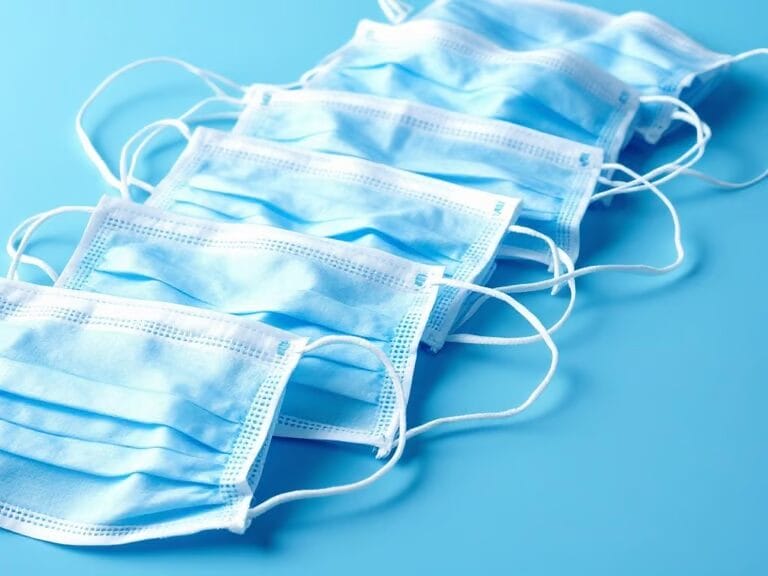
When walking around Singapore, you’ll notice various types of face masks being used for personal protection. Each offers a different level of protection and is suited for different situations. Understanding these differences can help you choose the right mask for your needs.
The most common options include the surgical mask, often referred to as a procedure mask, the N95 respirator, and the cloth mask. Each type has its own distinct design and purpose.
Here’s a quick breakdown of the main types of face masks:
- Surgical Mask: A disposable, loose-fitting mask that acts as a physical barrier against large droplets.
- N95 Respirator: A tight-fitting mask that filters at least 95% of small airborne particles, offering superior protection to the wearer.
- Cloth Mask: Often homemade or commercially produced from fabric, these offer a basic level of protection and are typically reusable.
Key Features of High-Quality Surgical Masks
When choosing a surgical mask, it’s important to look for features that ensure a reliable level of protection. Not all masks are created equal, and knowing what to look for can make a big difference in your safety. High-quality masks are tested to meet specific performance standards.
The effectiveness of a surgical mask is determined by several factors, including its ability to filter particles and resist fluids. These features work together to provide a barrier against contaminants.
Key features to look for in a quality surgical mask include:
- Bacterial Filtration Efficiency (BFE): Look for masks with a BFE of 95% or higher. This indicates the mask’s ability to filter out bacteria-containing droplets.
- Fluid Resistance: This feature helps protect you from splashes and sprays of bodily fluids, which is crucial in healthcare settings and public spaces.
- Breathability: A good mask should allow you to breathe comfortably without significant effort, indicated by its pressure differential.
- 3-Ply Construction: Most recommended surgical masks have three layers, including an inner absorbent layer, a middle filter layer, and an outer fluid-repellent layer.
How Humid Conditions Impact Mask Performance
High humidity can significantly affect your face mask’s performance and comfort. When the air is saturated with moisture, it can make the mask material damp, which might compromise its ability to filter particles effectively. This is a crucial consideration in tropical climates.
A damp mask not only feels uncomfortable but can also lead to reduced breathability, making it harder to breathe. Furthermore, moisture can affect the mask’s fit, potentially increasing air leakage around the edges. Understanding these effects is the first step to ensuring your mask provides consistent protection. Next, we’ll examine how humidity specifically impacts filtration and your overall comfort.
Effects of Humidity on Breathability and Filtration
In humid conditions, the filtration efficiency of a surgical mask can be compromised. The filter layer in a 3-ply mask works best when it is dry. When it becomes saturated with moisture from the air or your breath, its ability to capture respiratory droplets and other particles may be reduced.
This moisture build-up also affects breathability. A wet mask is harder to breathe through, which can cause discomfort and may lead you to touch or adjust your mask more often, increasing the risk of contamination. The electrostatic charge on the filter fibers, which helps trap particles, can also be diminished by moisture.
Therefore, while a surgical mask is effective at filtering bacteria and viruses contained in large droplets under normal conditions, its performance can decline in very humid environments. It is important to change your mask if it becomes damp to ensure you maintain a good level of protection and comfort.
Moisture Build-up and Comfort Concerns
Moisture build-up is a common issue when wearing a surgical mask, especially in warm and humid weather. This moisture comes from two sources: the humidity in the air and the wearer’s respiratory emissions. When you breathe and talk, you release warm, moist air that gets trapped inside the mask.
This accumulation of moisture can lead to several comfort issues. It can make the mask feel heavy and damp against your skin, potentially causing irritation or “maskne.” The dampness can also strain the ear loops, affecting the overall fit.
Here are some common comfort concerns related to moisture build-up:
- Skin irritation and acne breakouts from prolonged contact with a damp surface.
- A feeling of stuffiness and difficulty breathing, reducing overall mask comfort.
- The need to frequently adjust the mask, which can compromise its effectiveness.
Surgical Masks Versus Other Face Masks in Humid Climates
Choosing the right face mask for a humid climate involves balancing protection, breathability, and comfort. While N95 respirators offer higher filtration efficiency, they can be more difficult to breathe through in high humidity. On the other hand, cloth masks may be more comfortable but often provide less protection.
Surgical masks strike a good balance, offering decent filtration against large droplets while being more breathable than an N95. This makes them a practical choice for everyday use in humid conditions. Let’s compare surgical masks directly with N95 and cloth masks to see how they stack up.
Advantages of Surgical Masks for Everyday Use
Surgical masks are commonly recommended for public use for several practical reasons. They provide a reliable level of protection against the primary mode of transmission for many respiratory illnesses: large droplets. This makes them an effective tool for everyday protection in community settings.
Unlike N95s, which are often reserved for high-risk healthcare settings, surgical masks are widely available and affordable. Their disposable nature also ensures a fresh, clean barrier with each use, eliminating concerns about washing and maintenance that come with cloth masks.
Here’s why surgical masks are a great choice for daily wear:
- Accessibility: They are easy to find in pharmacies and stores.
- Good Breathability: They are more comfortable to wear for extended periods compared to N95s.
- Effective Source Control: They are excellent at preventing the wearer from spreading germs to others.
- Standardized Quality: When purchased from reputable suppliers, they meet specific performance standards.
Connection Between Surgical Masks and Dehumidifiers
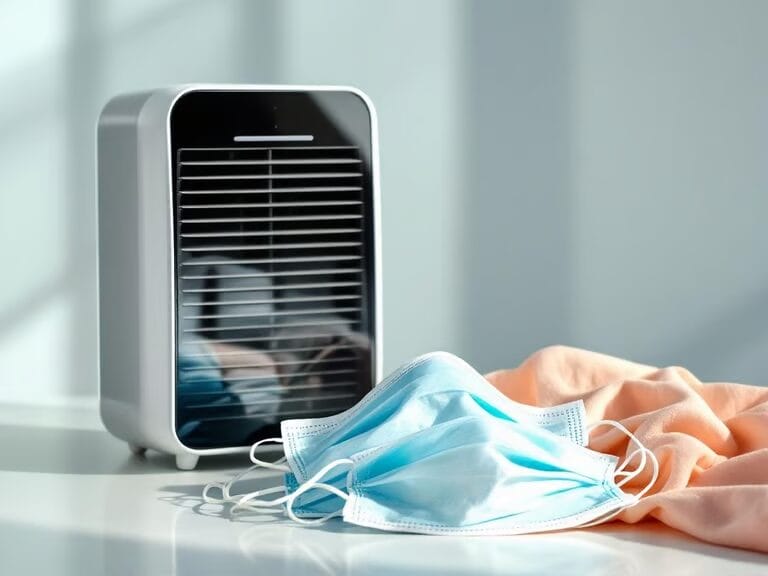
You might be wondering, what do dehumidifiers have to do with wearing a surgical mask? The connection lies in creating a more comfortable indoor environment. When you’re indoors for long periods, high humidity can make wearing a mask feel sticky and unpleasant due to excess moisture in the air.
By using a dehumidifier, you can lower the level of moisture in your indoor air. This simple step can significantly improve mask comfort, making it easier to breathe and reducing that damp feeling against your skin. Let’s explore how dehumidifiers can specifically enhance your mask-wearing experience indoors.
Using Dehumidifiers to Improve Mask Comfort Indoors
Using dehumidifiers at home or in the office can make a world of difference for mask comfort. By removing excess moisture from the indoor air, a dehumidifier creates a less “sticky” atmosphere. This means the air you breathe into your mask is drier, which helps reduce the rate of moisture build-up inside it.
A drier mask is a more comfortable and effective one. It allows for better breathability and reduces the likelihood of skin irritation. This can help you wear your respiratory protection correctly for longer without feeling the need to constantly adjust it.
Here’s how dehumidifiers can help:
- They reduce the dampness that can make a mask feel heavy and unpleasant.
- They create an environment where the mask’s filter material can perform optimally.
- They improve overall indoor air quality, contributing to a more comfortable breathing experience.
Dehumidifier Benefits for Healthcare Settings
In healthcare settings, where professionals wear masks for entire shifts, comfort is a key aspect of occupational safety. Dehumidifiers can play an important role by controlling the ambient humidity in hospitals and clinics, leading to improved mask comfort for doctors, nurses, and other staff.
When healthcare workers are more comfortable, they are less likely to be distracted by an ill-fitting or damp mask. This allows them to focus on patient care and reduces the temptation to touch or adjust their face covering, which is critical for maintaining a sterile environment.
Key benefits of using dehumidifiers in these settings include:
- Enhanced Comfort: Reduces the stuffy, damp feeling of wearing a mask for 12 hours or more.
- Improved Compliance: Comfortable staff are more likely to wear their PPE correctly throughout their shift.
- Better Working Environment: Controlling humidity helps create a more pleasant and safer space for both staff and patients.
Proper Usage and Disposal of Surgical Masks in Singapore
To get the most benefit from your surgical mask, it’s essential to use and dispose of it correctly. Improper handling can reduce its effectiveness and even increase your risk of exposure to infectious diseases. A face mask is only as good as how you wear it.
After use, the front of the mask can be contaminated, so proper disposal is key to preventing the spread of germs. In a densely populated area like Singapore, responsible mask usage is a shared responsibility. We’ll now cover the specific steps for wearing your mask correctly and disposing of it safely.
Tips for Wearing Surgical Masks Correctly
Wearing a surgical mask correctly is crucial for it to be effective. The goal is to create the best possible seal around your nose and mouth to minimize air leakage. Always start by washing your hands before putting on your mask.
When wearing masks, ensure the colored side faces outwards and the white, absorbent side is against your face. The mask should fully cover your nose, mouth, and chin.
Follow these tips for a proper fit:
- Press the flexible metal strip firmly over the bridge of your nose to conform to its shape.
- Extend the mask downwards to cover your mouth and chin completely.
- Ensure the mask fits snugly against the sides of your face to prevent gaps.
- Avoid touching the front of the mask while wearing it. If you do, clean your hands immediately.
Safe Disposal Methods Amid High Humidity
After you’ve worn a surgical mask, especially in high humidity where it can become damp and contaminated more quickly, safe disposal is vital for disease control. A used mask should be treated as potentially infectious waste. Never reuse a disposable surgical mask; it is designed for a single use only.
To dispose of it, carefully remove the mask by holding the ear loops or ties, avoiding contact with the front surface. Fold the mask inwards so the contaminated outer surface is contained, and place it directly into a closed bin.
Here are the steps for safe disposal:
- Remove the mask using the ear loops without touching the front.
- Place it immediately in a trash receptacle.
- Wash your hands thoroughly with soap and water or use an alcohol-based hand sanitizer.
Conclusion
In conclusion, managing humidity is essential in senior care to support better breathing and overall comfort. Using a dehumidifier helps create a healthier indoor environment, especially for seniors who are more sensitive to air quality. As an online elderly care store, SeniorCare provides a wide range of essential products from nutritional milk and supplements to daily care items making it easier for families and caregivers to support healthier, more comfortable living at home.